
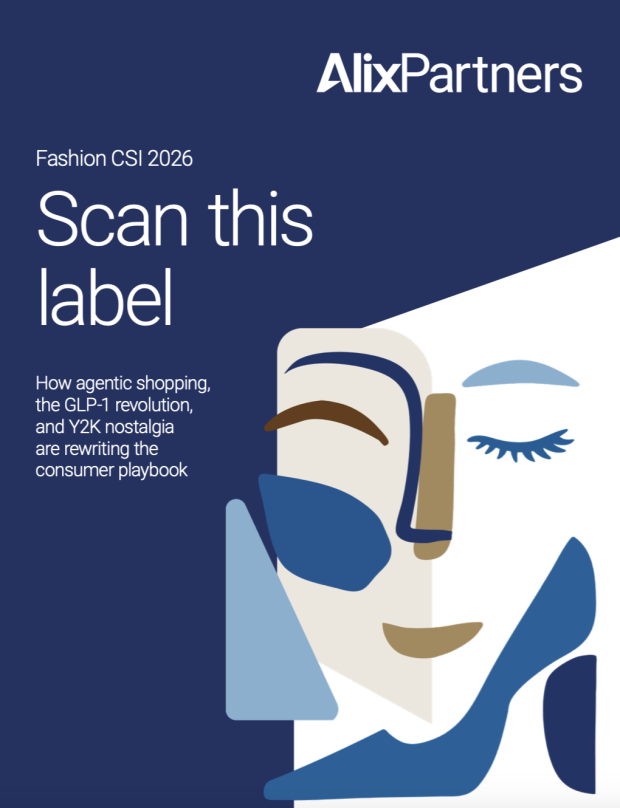
From the fall of influencer “haul culture” to the rise of experiential in-person shopping, new factors are reshaping the way Americans shop, according to a new 2026 Consumer Sentiment Index by management consulting firm AlixPartners. While much of the data—based on feedback from 9,000-plus U.S. consumers—focuses on apparel, there are some valuable takeaways for footwear retailers and brands.
Evolving the retail experience
There’s good news for brick-and-mortar stores. In-person shopping is alive and well, judging from the report. In fact, Gen Zers deem a trip to the mall good for their mental health.
What really wins shoppers’ hearts?
1) Having product in stock (88 percent of respondents consider this a priority)
2) A clean, easy-to-navigate store (84 percent)
3) Having an employee onsite who can provide help (81 percent)
Shoppers also appreciate fun, purpose-driven in-stores experiences. For example, Coach won Gen Z fans this year with its Coffee Shops and Coach Play stores where shoppers can customize Tabby bags with charms.
Likewise, they enjoy stores that provide space to explore and get hands-on with products. Case in point: Dick’s House of Sport model jumped from a sixth to first place ranking in the Outdoor category and second place in the Multi-Brand Footwear category, thanks to its batting cages to test new gear, golf greens, climbing walls, wide aisles for bike riding and request-your-size monitors by the cleats. Meanwhile, Zappos fell from first to seventh place in the same category, suggesting that the Dick’s experience trumped Zappos’ convenience advantage. Dick’s rival REI also slipped in the ratings after closing its Soho and Boston flagships and eliminating its “Experiences” program.
More Key Takeaways
The Ozempic effect is boosting running footwear and accessory sales. While the long-term impact of GLP-1s on shoppers is still unknown, for footwear retailers and brands, the weight-loss-drug craze has sparked a sharp uptick in athletic apparel, including running footwear in 2026.
With the double whammy of belt-tightening financially for many shoppers and literally for GLP-1 users, accessories are one of the few areas where consumers expect to spend more this year, according to AlixPartners’ data. Size-free products people can buy while their bodies are in flux are a bright spot for retailers who stock them and brands who make them.
Materials matter, so avoid “fiber fraud.” Shoppers, especially Gen Z ones, are fed up with low-quality fast fashion and are keen to buy polyester-free products made of natural materials. Y2K nostalgia is trending hard partly because shoppers believe products were better made back then.
Young consumers want transparent pricing and alignment of quality and price. “Fiber fraud”—for instance, calling a product a “wool shoe” when the fine print reveals that it’s a wool blend or a “cotton shoe” that’s really a cotton-poly blend—can turn them off a brand permanently.
Trust in influencers is waning; smart brands are seeking out more authentic, organic partnerships. At a time when the average shopper is facing financial strain and uncertainty, skepticism about sponsored content—and resentment toward influencers showing off hauls of luxury freebies—is increasing, especially among young consumers. In fact, AlixPartners’ research suggests that paid partnership posts can damage consumers’ perception of a brand’s products. Backing up that conclusion: 64 percent of social media users aged 18-40 surveyed by Pew said they’ve unfollowed or muted an influencer in the past year specifically after seeing excessive luxury content.
Instead of seeking out influencers with the biggest reach, savvy marketers are pivoting to indirect forms of brand interaction and partnerships with content creators who fit a brand’s personality. AlixPartners uses Gucci’s partnership with British trainspotter and TikToker Frances Bourgeois to promote the launch of its North Face collab as a winning example. Bourgeois’ post garnered almost 600K views and helped boost The North Face to the #2 spot in consumer rankings of Outdoor retailers in the survey.
“The brands still pouring budget into reach, without measuring whether it moves trust, are optimizing for a channel the consumer no longer believes in,” the report notes.
Meanwhile, “buy-in from niche content creators helps create authoritative metadata, keyword associations, and consumer value statements that AI search engines process to provide search results,” the survey notes.
Get a Handle on Agentic Shopping. The report warns that most retailers are “still optimizing the storefront for a human with a thumb on a phone, while AI is quietly becoming the front door for discovery. And the machine doesn’t read your beautiful imagery or your persuasive copy—it reads structured data: attributes, availability, price. If your product data is thin or messy, the agent either can’t surface you or describes you badly, and you go invisible in the fastest-growing channel there is.”
As more and more shoppers tap into AI to find and decide whether buy products, it becomes more and more important for retailers and brands to figure out how to navigate the algorithm that scrapes user reviews, affiliate content embedded with key terms, mentions on social, materials, and metadata derived from celebrity photos.
For more tips on making agentic commerce work for you and more findings from the Index, click here.
The post How to Tap into Shoppers’ Changing Priorities appeared first on Footwear Plus Magazine.